
Bridging the Gap: Overcoming Tensions Between Analog and E-Bike Riders.

In recent years, the world of cycling has evolved dramatically, with the introduction of e-bikes sparking discussions and sometimes tension between traditional analog (or non-electric) bike riders and their electric counterparts. While both share a passion for cycling, the differences in bike technology and the philosophies surrounding each can lead to misunderstandings and conflict.
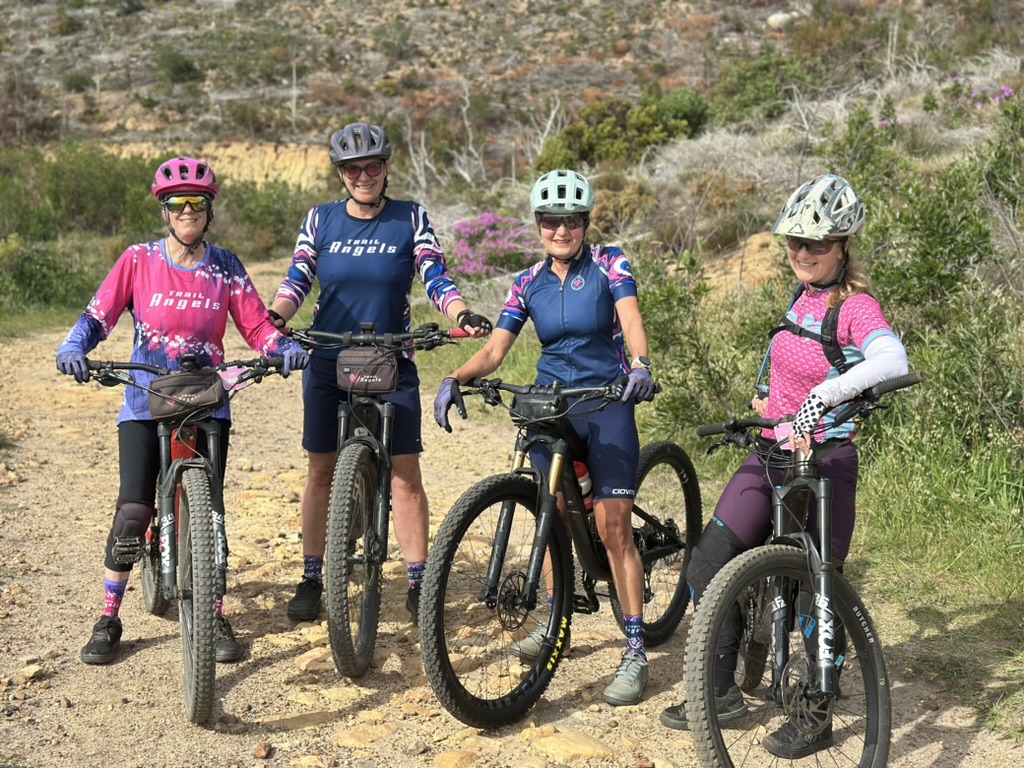
The divide between analog and e-bike riders often stems from differing perceptions. Traditional cyclists may view e-bikes as less genuine or worry that they diminish the sport by making it “too easy.” On the other hand, e-bike riders might feel the need to defend their choice against accusations of taking shortcuts. These sentiments can lead to unfortunate stereotypes where analog riders assume e-bikers are less committed, and e-bikers feel marginalized for being part of an emerging trend.
Labeling and judging people based on their choice of bikes is destructive and unhelpful.
Labels are for jars – not people.
ANTHONY RAPP
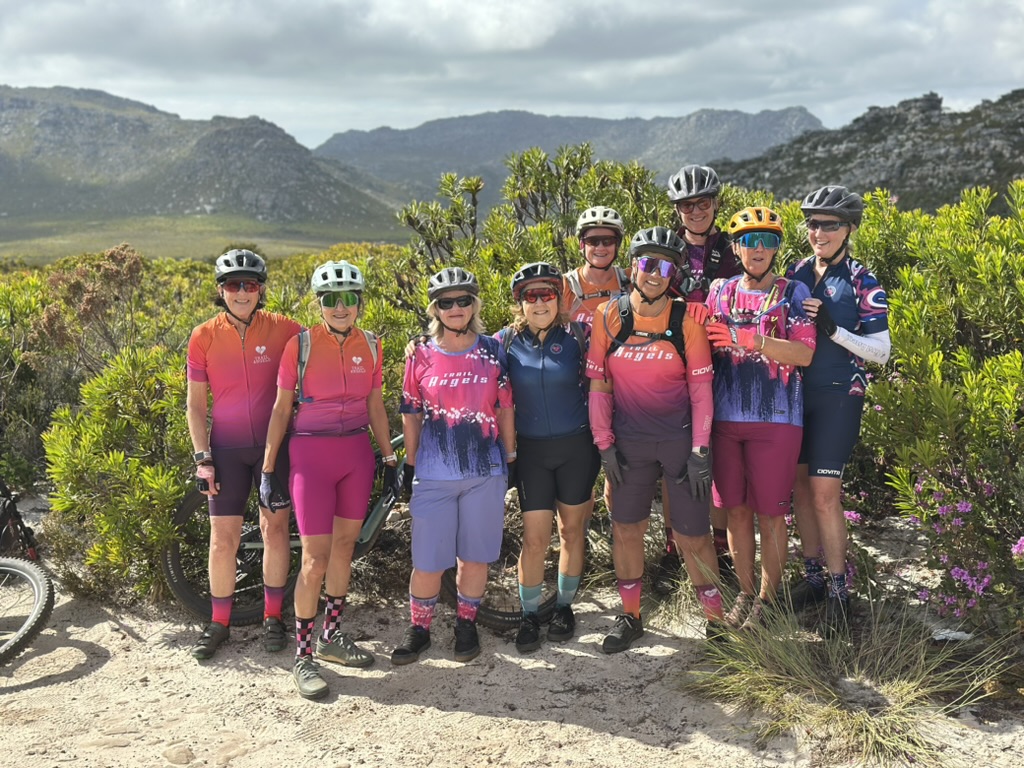
The women at Trail Angels, a club and community built on the pillars of inclusivity, authenticity and possibility, have discovered a powerful way to overcome these tensions together.
1. It requires a shift in perspective.
Open-mindedness allows us to appreciate the reasons behind different riding styles and the benefits each brings to the cycling community.
Every cyclist has their story—be it overcoming physical challenges, seeking adventure, or simply enjoying the outdoors. Understanding the motivations behind why someone chooses an e-bike or a traditional bike can help break down barriers.
2. Finding Common Ground through Compromise
While differences will always exist, compromise is essential for harmony in any community.
Each type of bike has its advantages—analog bikes are often lighter and require less maintenance, while e-bikes can help riders cover longer distances or tackle hills they might otherwise avoid. By celebrating the strengths of both, riders can appreciate the diversity within the community.
3. Avoiding the Destructive Nature of Comparison
Rather than comparing their bikes, biking skills or speed, the members of Trail Angels celebrate each other’s achievements, no matter how big or small. This mindset creates an environment where members feel safe, valued, and empowered. By choosing acceptance over competition, the Trail Angels demonstrate the power of community in fostering good mental health.
Theodore Roosevelt
Comparison is the thief of joy.

The philosophy of acceptance within the Trail Angels club extends beyond just biking skills. It embodies a willingness to compromise—members understand that everyone has different strengths and weaknesses. This acknowledgment inspires a culture that celebrates differences as a source of unity rather than division.
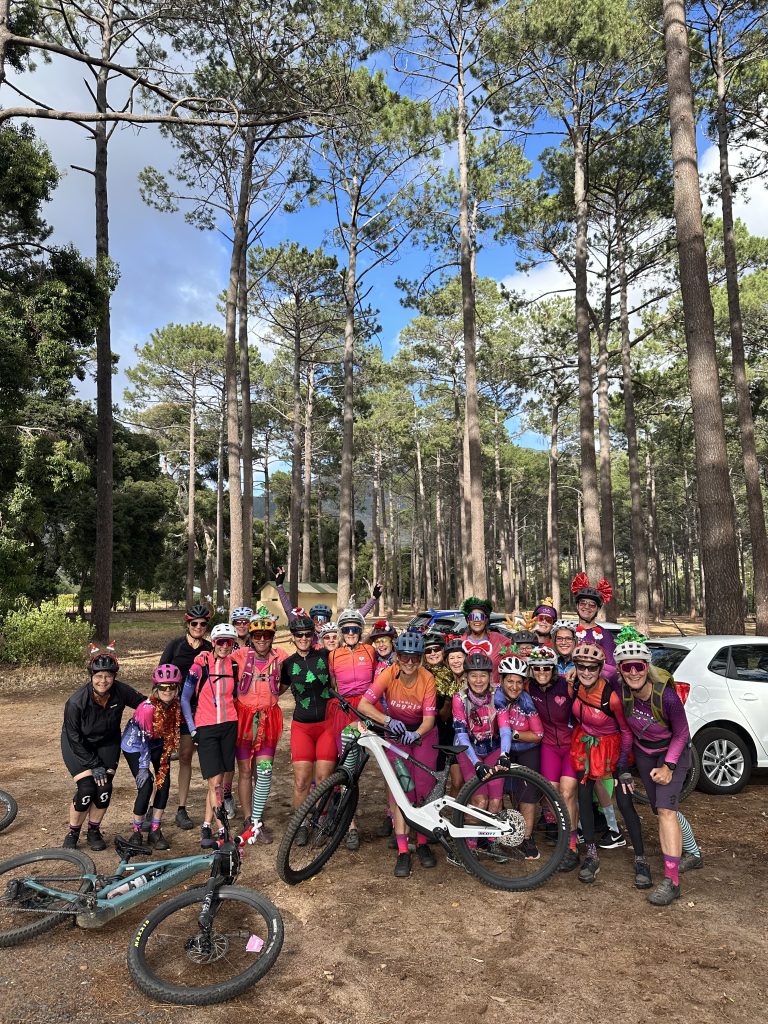
Enjoy the journey together. Women in the club come to realize that their worth isn’t determined by how they stack up against others. Instead, it’s about enjoying the journey together, sharing tips, and cheering each other on. In a landscape where it’s easy to feel isolated in our struggles, the Trail Angels shine as a beacon of togetherness and support.
A shared passion for cycling, adventure, and connection with nature. Trail Angels have recognized that at the heart of every ride is a shared passion for cycling, adventure, and connection with nature. With a collective effort, they have created a culture that embraces all cyclists—regardless of the bike they choose—leading to richer experiences and friendships along the way.
Lifting each other up. The path to mental well-being is often hindered by the habit of comparison. However, groups like the Trail Angels remind us that with acceptance, compromise, and a strong sense of community, we can cultivate environments that lift each other up.
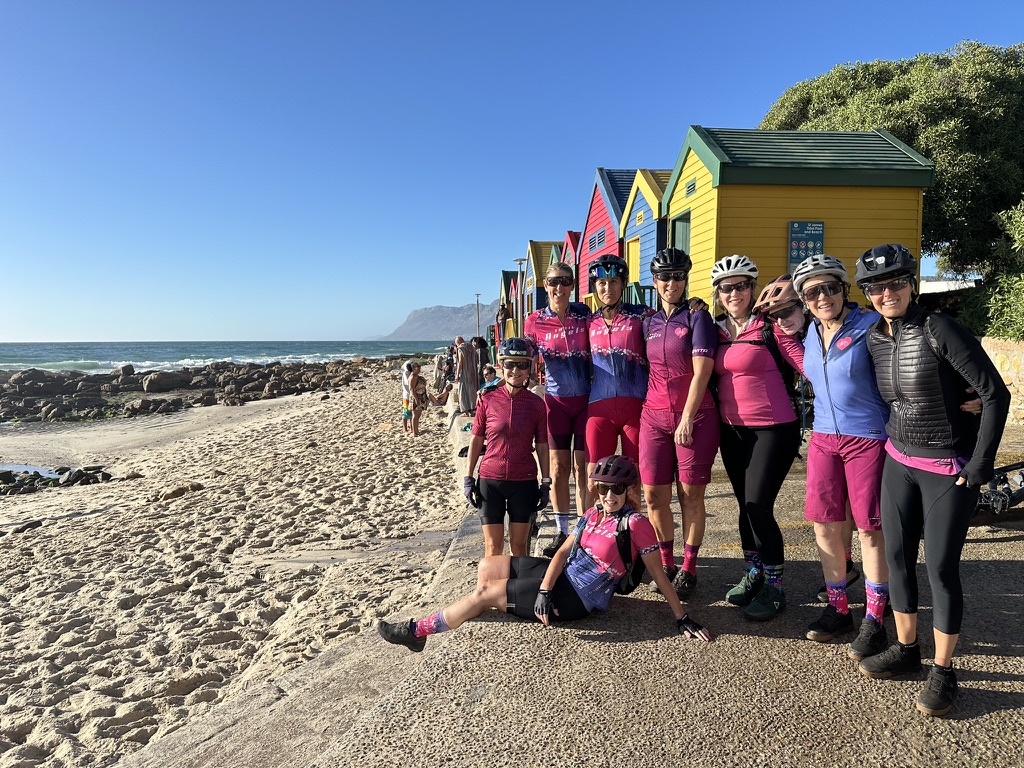
Instead of letting comparison steal our joy, let’s embrace each other’s differences and celebrate our journeys together. After all, true happiness lies not in being better than others but in finding joy in our unique paths and the connections we forge along the way.